Material recovery explained
Learn how materials move from the bin through sorting, processing, end markets and recycled-content procurement.
Recycling education, material recovery and circular economy guides
happyscrappyrecycling.com.au is a practical recycling authority website for households, businesses, schools, councils, strata managers, facility teams and recycling centre operators. This upgraded version focuses on substance: timelines, process diagrams, contamination tables, audit checklists, MRF explanations, security risk matrices and material-specific guidance.
Learn how materials move from the bin through sorting, processing, end markets and recycled-content procurement.
Use practical tables and site audits to fix the repeat mistakes that ruin otherwise valuable recycling streams.
Protect public drop-off zones, weighbridges, scrap metal, batteries, offices, evidence and operating continuity.
Recycling centres are public-facing industrial sites. They can contain scrap metal, batteries, e-waste, refundable containers, fuel, tools, machinery, forklifts, weighbridge equipment, payment points and after-hours access risks. A good security design protects people first, then protects assets, evidence and uptime.
Useful coverage can include CCTV at entries and exits, cameras over public drop-off bays, number plate capture where appropriate, weighbridge and payment-point views, access control on staff-only areas, alarm protection for offices and sheds, and clear evidence capture for illegal dumping or theft. For professional security equipment and advice, see SecurityWholesalers.com.au.
Read the recycling centre security guideRecycling Systems matters because recycling is only useful when the recovered material can become a reliable input for something else. A bin is the start of the system, not the system itself. The real test is whether the material is clean enough, sorted well enough and demanded strongly enough to move into a genuine end market.
From an operator’s point of view, recycling systems succeeds when the right behaviour is easier than the wrong behaviour. That means bin stations, signage, collection frequency, staff training, cleaner instructions and contractor requirements all need to line up. A recycling program that depends on people guessing correctly will eventually fail.
Quality is everything. Moisture, food, broken glass, batteries, soft plastics, textiles and general rubbish can reduce the value of a load or create safety problems. Clean material is not just nicer; it is cheaper to process, safer to handle and more attractive to buyers.
| Area | Main risk | Useful controls | Evidence goal |
|---|---|---|---|
| Public drop-off | Illegal dumping, unsafe unloading, disputes, vehicle damage | Visible CCTV, signage, lighting, traffic flow, intercom or help point | Vehicle, face, load type and time of event |
| Weighbridge / payment | Transaction disputes, aggressive behaviour, fraud, cash handling | Camera over vehicle position, staff counter view, panic/duress process | Clear transaction context without compromising private screens |
| Scrap metal stockpiles | Theft, misgrading, after-hours trespass | Perimeter cameras, yard lighting, access control, alarm verification | Person, vehicle, direction of travel and stockpile interaction |
| Battery / e-waste storage | Fire risk, hazardous items, theft of high-value electronics | Segregated storage, restricted access, thermal/fire detection consideration | Handling chain and early incident visibility |
| Office / plant room / NVR | Records, systems, keys, tools and evidence recorder tampering | Alarm, access control, locked cabinet, camera at entry | Who accessed the space and when |
A recycling centre is a public interface, an industrial yard and a materials business at the same time. That creates a security profile that is different from a normal warehouse. Cameras should not only watch the fence; they should follow the material journey: arrival, unloading, grading, payment, stockpiling, processing and dispatch.
The front-page recommendation is a layered plan: perimeter awareness, entry/exit cameras, weighbridge evidence, public drop-off coverage, restricted access to offices and hazardous storage, alarm verification and clear signage. For professional CCTV, alarms, intercoms and commercial security installation, see SecurityWholesalers.com.au.
| Element | Why it matters | Common failure |
|---|---|---|
| Source separation | Clean streams are cheaper and more valuable to process. | Bins placed alone, vague signs, hidden contamination. |
| Collection design | Capacity and collection frequency shape behaviour. | Overflow teaches people that separation does not matter. |
| Processor requirements | Accepted items vary by local facility and end market. | Assuming every recycling symbol means accepted locally. |
| Feedback loop | Audits and photos reveal what to fix first. | No one sees contamination until the invoice or rejection. |
The higher-value conversation begins before disposal. Can the item be avoided, reused, repaired, refilled, standardised or bought with recycled content? Recycling is essential, but it is strongest when supported by better purchasing and product design.
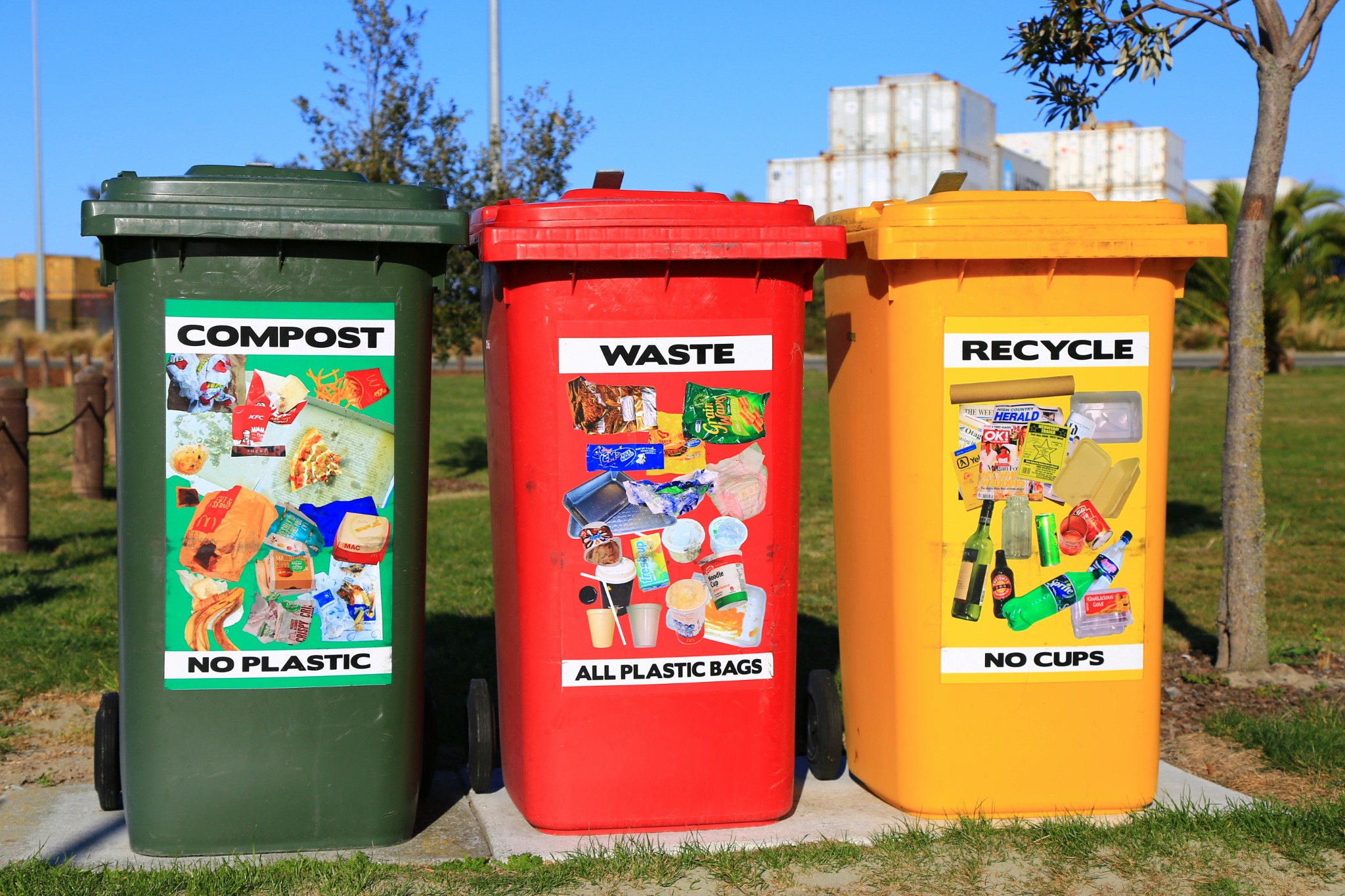
Education works best when it is visual, local and specific. A photo of the exact takeaway cup used in the building is more useful than a generic icon. Short instructions at the point of disposal work better than long policy documents that nobody reads when they are holding rubbish.
From an operator’s point of view, recycling systems succeeds when the right behaviour is easier than the wrong behaviour. That means bin stations, signage, collection frequency, staff training, cleaner instructions and contractor requirements all need to line up. A recycling program that depends on people guessing correctly will eventually fail.
The most common mistake is assuming the recycling symbol on packaging means the item is accepted in every local bin. It does not. Recycling depends on local collection contracts, sorting equipment, processor rules and commodity markets. Good education explains local acceptance rather than relying on generic promises.
Quality is everything. Moisture, food, broken glass, batteries, soft plastics, textiles and general rubbish can reduce the value of a load or create safety problems. Clean material is not just nicer; it is cheaper to process, safer to handle and more attractive to buyers.
Measurement turns recycling from a feel-good claim into an operational system. A useful record captures volumes, contamination, collection frequency, rejected loads, cost changes, training actions and end-market notes. Without measurement, no one knows whether the program improved or simply moved waste into a different bin.
From an operator’s point of view, recycling systems succeeds when the right behaviour is easier than the wrong behaviour. That means bin stations, signage, collection frequency, staff training, cleaner instructions and contractor requirements all need to line up. A recycling program that depends on people guessing correctly will eventually fail.
Measurement turns recycling from a feel-good claim into an operational system. A useful record captures volumes, contamination, collection frequency, rejected loads, cost changes, training actions and end-market notes. Without measurement, no one knows whether the program improved or simply moved waste into a different bin.
Commercially, recycling systems affects disposal cost, cleaning labour, storage space, brand credibility, safety and procurement. Businesses often focus on collection cost, but the bigger opportunity is designing the system so less material becomes mixed waste in the first place.
Education works best when it is visual, local and specific. A photo of the exact takeaway cup used in the building is more useful than a generic icon. Short instructions at the point of disposal work better than long policy documents that nobody reads when they are holding rubbish.
The most common mistake is assuming the recycling symbol on packaging means the item is accepted in every local bin. It does not. Recycling depends on local collection contracts, sorting equipment, processor rules and commodity markets. Good education explains local acceptance rather than relying on generic promises.
The higher-value conversation begins before disposal. Can the item be avoided, reused, repaired, refilled, standardised or bought with recycled content? Recycling is essential, but it is strongest when supported by better purchasing and product design.
Commercially, recycling systems affects disposal cost, cleaning labour, storage space, brand credibility, safety and procurement. Businesses often focus on collection cost, but the bigger opportunity is designing the system so less material becomes mixed waste in the first place.
Quality is everything. Moisture, food, broken glass, batteries, soft plastics, textiles and general rubbish can reduce the value of a load or create safety problems. Clean material is not just nicer; it is cheaper to process, safer to handle and more attractive to buyers.
The higher-value conversation begins before disposal. Can the item be avoided, reused, repaired, refilled, standardised or bought with recycled content? Recycling is essential, but it is strongest when supported by better purchasing and product design.